.png)
Introducing the National Honor Guard Society
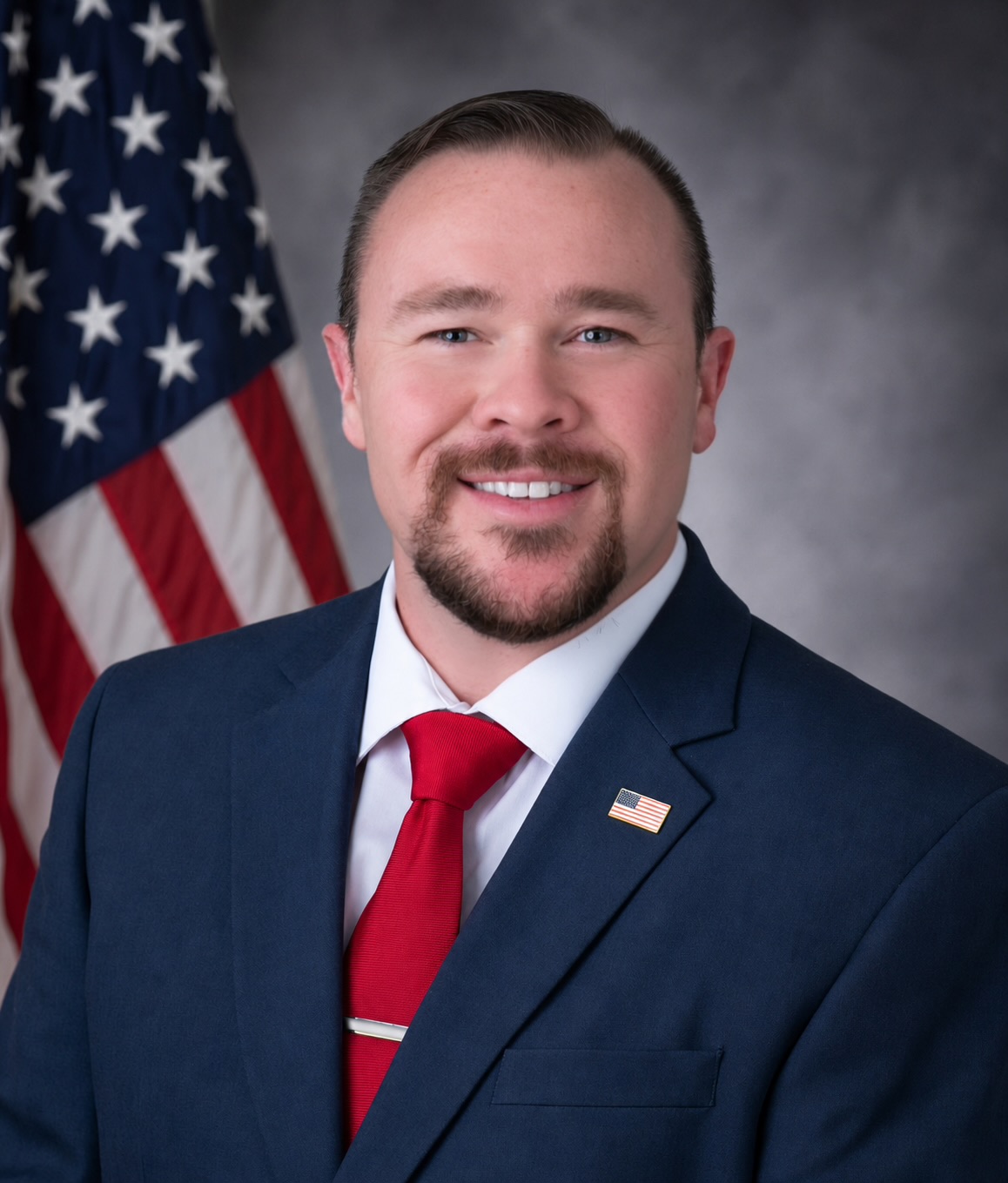

Across the United States, Honor Guard members stand at some of the most meaningful moments in the lives of our communities. They honor fallen public servants, support grieving families, present our nation’s colors, participate in civic and sporting events, and preserve traditions that represent dignity, sacrifice, and service.
The National Honor Guard Society was created to help strengthen that work.
The Society is a national organization dedicated to advancing Honor Guard excellence through standards, education, professional development, collaboration, and support. It brings together members of law enforcement, fire service, emergency medical services, corrections, military veteran, and other public safety Honor Guards around a shared commitment: every ceremonial detail should be conducted with dignity, consistency, safety, and respect.
Addressing a National Need
Honor Guards across the country often operate with very different levels of staffing, funding, training, equipment, and institutional support. Some are part of large, well-established programs with extensive experience and resources. Others are small teams built by dedicated personnel who may have limited access to training, written procedures, or experienced mentors.
Despite these differences, Honor Guard members are frequently asked to perform the same solemn responsibilities.
Until now, there has been no single national organization focused broadly on helping public safety Honor Guards develop greater consistency in ceremonial movements, operational practices, training expectations, and professional resources across disciplines.
The National Honor Guard Society is being developed to help fill that gap.
Our goal is not to erase the traditions or identity of individual disciplines, agencies, or regions. Those traditions are important and deserve respect. Instead, the Society will identify areas in which greater consistency, interoperability, and shared best practices can improve ceremonial performance and better serve families, agencies, and communities.
From a distance, members of the public should see Honor Guards that move with the same confidence, precision, and dignity—regardless of whether the detail is taking place on one side of the country or the other.
Building Standards and Best Practices
A central part of the Society’s work will be the development and publication of national standards, doctrine, and recommended best practices for Honor Guard operations.
This work will address areas such as:
Funeral and memorial ceremonies
Color Guard operations
Public ceremonies, community events, and sporting events
Flag protocols and ceremonial procedures
Equipment positions and handling
Team organization, administration, and readiness
Safety and risk management
Mutual-aid and multi-agency operations
Training and instructor development
Team & event SOPs
Where applicable, the Society will reference current United States military drill and ceremonies manuals, Department of Defense instructions, established public safety practices, and other authoritative sources. These references will help demonstrate where recommended national practices align with recognized military methods while also accounting for the distinct responsibilities of public safety Honor Guards.
The Society’s standards will be designed as professional guidance rather than governmental regulations. They will provide agencies and Honor Guard units with credible resources that can be evaluated, adapted, and incorporated into their own policies and operating procedures.
Supporting the People Behind the Mission
Standards alone are not enough. Honor Guard excellence depends on the people who accept the responsibility of representing their agencies, honoring the fallen, and serving families during moments of profound loss.
The Society intends to support those individuals and teams through professional development, credentialing, educational resources, scholarships, grants, networking opportunities, and access to a nationwide community of practitioners.
Planned initiatives include professional credentials for Honor Guard members and instructors, recognition of qualified training providers, financial support for readiness and education, and a mutual-aid network that can help connect agencies when additional personnel, equipment, or specialized experience are needed.
The Society will also create opportunities for experienced practitioners to share knowledge with developing teams. Valuable lessons should not remain isolated within a single agency or region. By preserving and distributing that knowledge, the Honor Guard community can become stronger as a whole.
More Than a Training Organization
The National Honor Guard Society is not a private training company, a vendor association, or a replacement for local and regional Honor Guard organizations.
Training providers play an important role in developing skills. Local associations build relationships and address the needs of their own communities. The Society’s purpose is different.
Its role is to provide a broader national framework through which standards can be developed, professional credentials can be established, resources can be shared, and Honor Guard units from different disciplines and regions can collaborate.
The Society will remain vendor-neutral and will seek input from Honor Guard practitioners, agency leaders, instructors, military veterans, funeral-service professionals, surviving family representatives, and other subject-matter experts. Its work must reflect both ceremonial expertise and the real-world needs of the people and communities Honor Guards serve.
Dignity First
At the center of every Society initiative will be a simple principle: dignity comes first.
Ceremonial precision matters because of what it communicates. A properly conducted movement, carefully folded flag, disciplined formation, or coordinated final tribute demonstrates that the person being honored mattered—and that their service will not be forgotten.
The National Honor Guard Society was founded to help protect that standard of care.
As the Society grows, we will continue building the standards, resources, professional community, and support systems needed to advance Honor Guard service nationwide. We invite Honor Guard members, agencies, instructors, partners, and supporters to follow our progress and become part of this important work.
Together, we can preserve tradition, strengthen readiness, and ensure that every tribute is delivered with the dignity it deserves.
Bill Owen
Founder & Chair, National Honor Guard Society


Comments