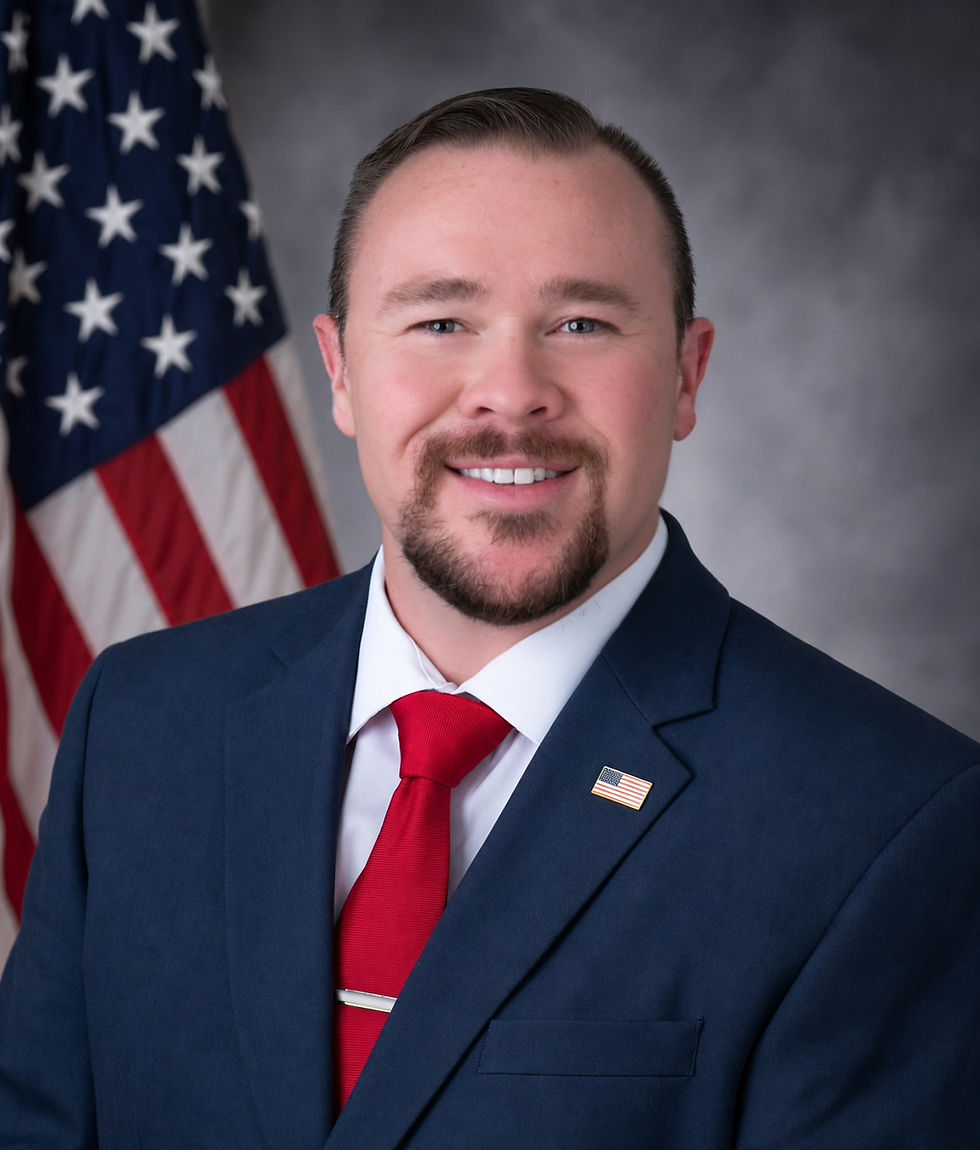
Founder’s Message
I founded the National Honor Guard Society because I believe ceremonial excellence matters.
Honor Guard members serve during moments that families, agencies, communities, and the nation will remember. They stand watch during loss. They present the colors during moments of public meaning. They render honors for those who served. They represent dignity, discipline, sacrifice, and respect when words are often not enough.
Those moments deserve consistency. They deserve preparation. They deserve standards, resources, training, and support. Most importantly, they deserve to be carried out with dignity regardless of geography, agency size, funding, or access to instruction.
Across the country, Honor Guard teams do extraordinary work, often with limited resources and little formal support. Many members train on their own time, purchase equipment personally, travel long distances, and carry the responsibility of representing their agencies and communities with quiet professionalism. Some teams have strong programs and experienced instructors. Others are still trying to build the foundation they need.
The National Honor Guard Society was created to help address that gap.
Our mission is to preserve, standardize, and advance Honor Guard excellence nationwide. We are building a voluntary national framework rooted in standards, recommended best practices, education, credentialing, recognition, resources, and professional connection. The goal is not to replace agency authority or local tradition. The goal is to support the people and organizations entrusted with ceremonial service.
Just as important, the Society is being built with governance guardrails. It is intended to be board-led, vendor-neutral, and mission-first. It should not exist to promote one instructor, company, provider, discipline, or personality. It should serve the Honor Guard community as a whole.
This matters because the work itself matters.
Ceremonial excellence is not cosmetic. It reflects how we honor sacrifice, how agencies honor service, how families are supported in sacred moments, and how professionals honor one another through discipline, competence, and dignity.
The National Honor Guard Society is still being built. Standards, membership, credentialing, grants, scholarships, regional chapters, and national resources will take time to develop responsibly. But the foundation is being laid with a clear purpose: to build a durable national institution worthy of the mission it exists to serve.
To every Honor Guard member, team leader, agency, instructor, partner, donor, veteran, funeral professional, and supporter who believes this work deserves national support — I invite you to be part of building it.
With respect and gratitude,
Bill Owen
Founder & Chair
National Honor Guard Society

Why I Founded the Society

To Strengthen Standards
Honor Guard teams deserve access to trusted standards and recommended best practices that support dignity, consistency, safety, and professionalism.

To Expand Access
Ceremonial excellence should not depend on funding, geography, agency size, or whether a team happens to have access to experienced instructors.

To Build Community
Honor Guard members across disciplines face many of the same challenges. The Society exists to help connect, support, and strengthen that national community.
Help Build a National Institution for Honor Guard Service
The National Honor Guard Society is being built to preserve tradition, strengthen standards, expand access, recognize service, and connect the Honor Guard community nationwide.


The Society should be mission-led, board-governed, vendor-neutral, and accountable to the community it exists to serve.
Built to Be Larger Than One Person
The Society is being built with the understanding that a national institution must be stronger than any one founder, instructor, vendor, board member, or agency. Its governance structure, committee model, standards process, and accountability practices are intended to protect the mission and serve the Honor Guard community as a whole.
What We Are Building
The National Honor Guard Society is being developed as a national professional and educational nonprofit organization with programs designed to support the Honor Guard community over time.

National Standards
A structured body of voluntary standards and recommended best practices for Honor Guard service.

Credentialing Pathways
Professional recognition tracks for individuals, instructors, teams, and training providers.

Resource Library
Templates, planning tools, checklists, ceremony references, and practical guidance for units and agencies.

Regional Chapters
A future chapter structure to help connect members, support local collaboration, and strengthen regional readiness.

Grants & Scholarships
Funding pathways to help members and units access training, equipment, travel support, and professional development.
An Invitation to Help Build the Society
The National Honor Guard Society is in its founding stage. The work ahead will require members, agencies, instructors, advisors, partners, donors, and supporters who believe Honor Guard service deserves national support and long-term stewardship.
Whether you serve on an Honor Guard, lead a team, support an agency, train ceremonial personnel, assist families, or believe in preserving the dignity of honors, there is a place for you in this mission.
Founder’s Priorities for the Society
.png)
1. Build responsibly
Develop the Society with board oversight, legal review, governance policies, and long-term accountability.
2. Protect vendor neutrality
Ensure the Society serves the broader Honor Guard community rather than any one company, instructor, provider, or discipline.
3. Publish meaningful standards
Create voluntary standards and recommended best practices that are practical, credible, and respectful of agency authority.
4. Support access and readiness
Build resources, grants, scholarships, and professional development pathways that help teams with different levels of funding and support.
5. Preserve dignity and tradition
Ensure the Society’s work remains rooted in the seriousness, symbolism, and responsibility of ceremonial service.